

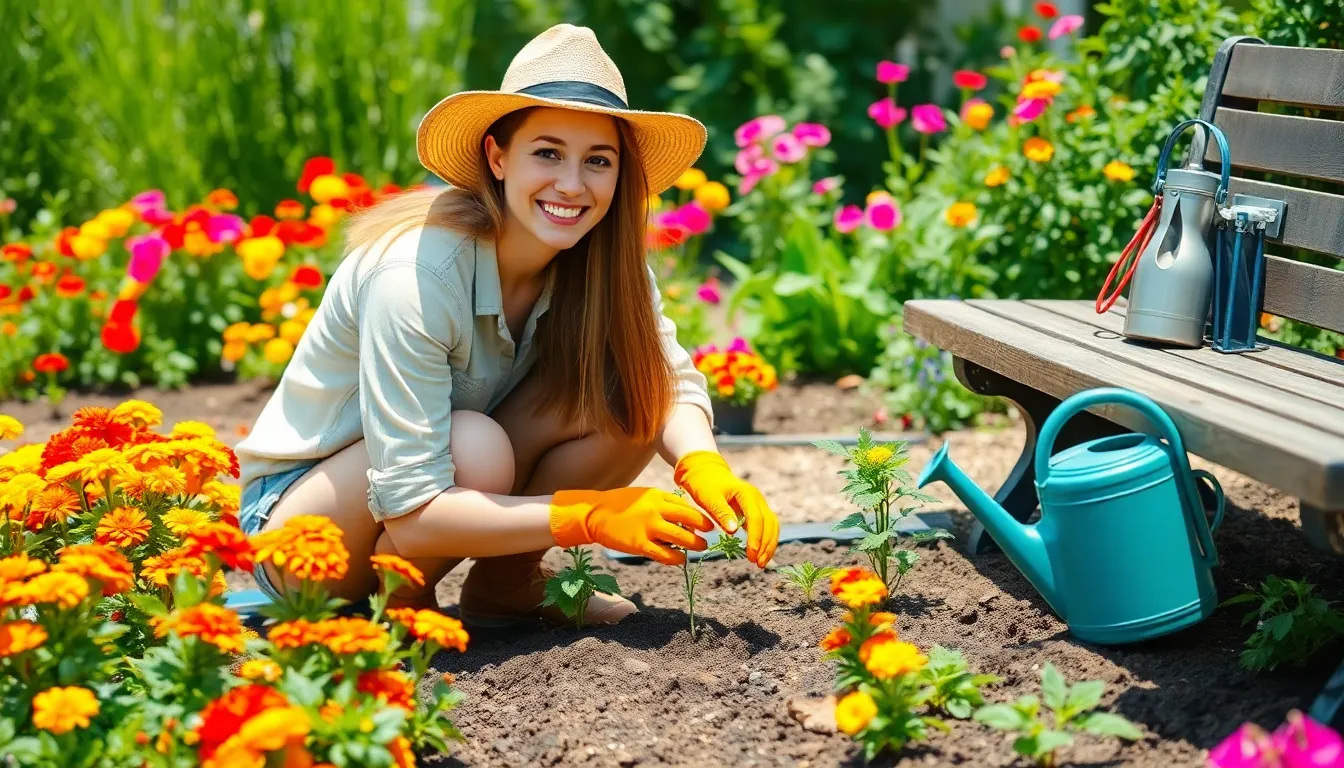
Flower Gardening for Beginners: Transform Your Backyard into a Vibrant Paradise
Flower gardening might seem like a daunting task, but it’s really just a delightful dance with nature. Imagine transforming your backyard into a vibrant paradise, where butterflies flirt with blooms and bees work overtime. For beginners, this isn’t just a hobby; it’s a chance to unleash creativity and enjoy the simple joys of life.
With a little guidance, anyone can cultivate a flourishing garden that even the most seasoned horticulturist would envy. From selecting the right flowers to mastering the art of watering, flower gardening opens the door to a colorful world. So grab those gardening gloves and let’s dig into the basics—because who wouldn’t want to impress their neighbors with a garden that’s the talk of the town?
Flower Gardening For Beginners
Flower gardening offers a fulfilling, creative outlet for individuals eager to beautify their outdoor spaces. Starting with the right flowers is essential, as some species thrive better in specific climates or soil types. Beginners should consider annual flowers, such as marigolds and petunias, which bloom all season and bring vibrant colors.
Selecting a location involves assessing sunlight availability and soil quality. Most flowering plants prefer well-drained soil and at least six hours of sunlight daily. Preparing the soil entails removing weeds, adding compost, and tilling the earth to create ideal growing conditions.
Watering practices play a critical role in the success of a flower garden. Watering deeply but infrequently encourages roots to grow stronger and deeper. Additionally, mulching helps retain soil moisture and suppresses weed growth.
Fertilization contributes to healthy plant growth and abundant blooms. A balanced, slow-release fertilizer applied during the growing season boosts nutrients. Observing the plants allows for timely adjustments in care and maintenance, ensuring optimal growth.
Pest control is another important consideration. Monitoring for signs of pests and diseases is crucial, as early detection can prevent significant damage. Utilizing organic methods, such as insecticidal soaps and companion planting, supports a healthier garden ecosystem.
Seasonal planning enhances a garden’s success. Stagger planting times and choose flowers that bloom in succession to maintain color throughout the seasons. This strategic approach provides continuous visual interest and enjoyment in the garden.
Choosing the Right Flowers
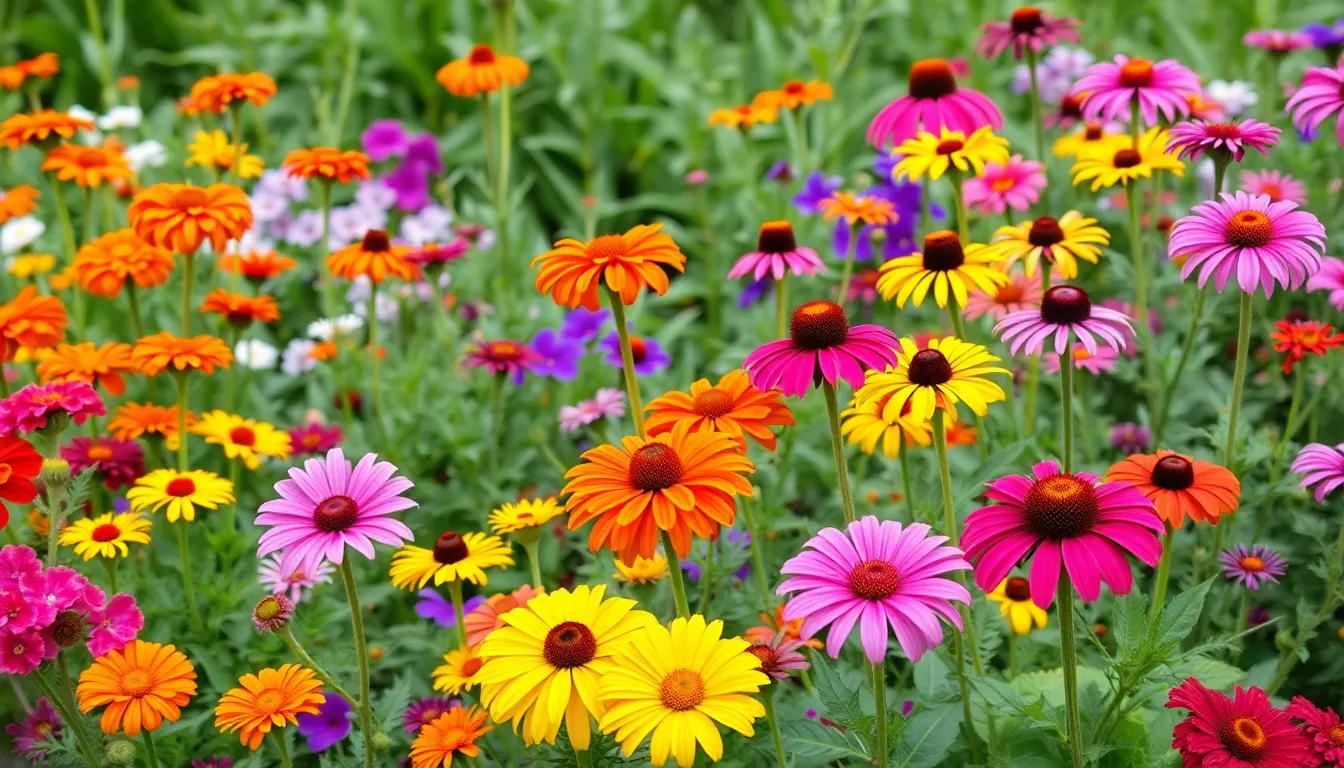
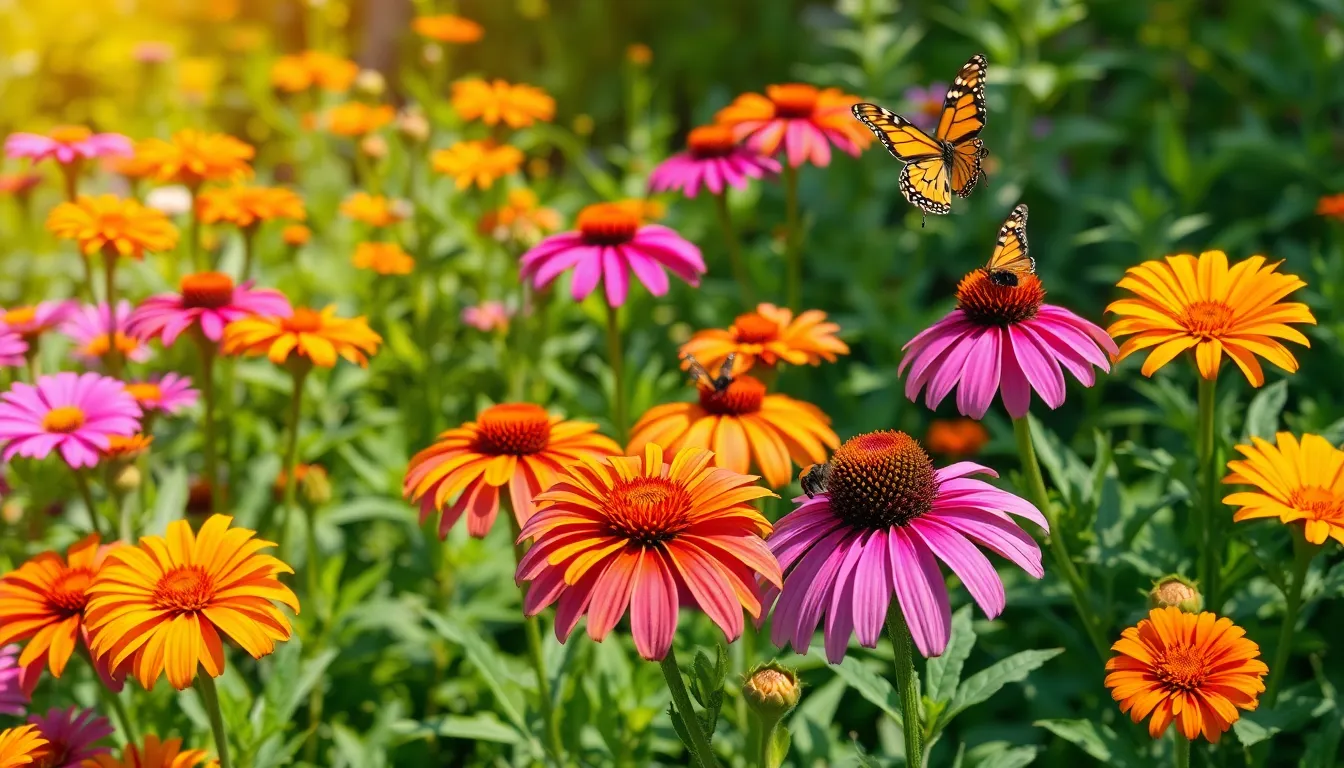
Selecting the right flowers forms the foundation of a successful garden.
Annuals vs. Perennials
Annuals complete their life cycle in one growing season. Examples include marigolds and petunias, which produce vibrant blooms from spring until frost. Perennials return each year, adding lasting beauty. Varieties like daylilies and coneflowers bloom in cycles, offering color over multiple seasons. Both types provide unique benefits, so combining them enhances visual interest and ensures a continuous display throughout the growing period. Gardeners often prefer a mix for a more dynamic garden.
Native Flowers for Your Area
Choosing native flowers boosts garden sustainability. Plants like black-eyed Susans and butterfly weed typically thrive in local climates. These flowers require less water and maintenance, making them ideal for beginners. Native species attract local wildlife, including butterflies, bees, and birds, promoting biodiversity. Researching regional conditions helps in selecting the best options. Local gardening centers often offer insights on which native flowers flourish in specific areas, ensuring a successful bloom cycle.
Essential Tools and Supplies
Essential tools and supplies enhance the flower gardening experience. Beginners benefit from a few basic items to start their gardening journey effectively.
Basic Gardening Tools
Shears, trowels, and gloves are fundamental gardening tools. A sturdy pair of shears provides efficient cutting for branches and flowers. Trowels assist in planting and transferring soil easily. Gloves protect hands from dirt and pests while ensuring comfortable digging. Rakes help level soil, while watering cans or hoses supply necessary hydration. A garden fork aerates the soil, promoting healthy root growth. Investing in high-quality tools results in enhanced gardening experiences.
Soil and Fertilizers
Quality soil forms the foundation of a successful garden. A well-drained mix with organic matter fosters healthy plant development. Compost enriches soil, improves texture, and enhances nutrient availability. Regular testing of soil pH ensures optimal conditions for growth. Fertilizers, especially slow-release options, promote continuous blooming. Balanced nutrients like nitrogen, phosphorus, and potassium support overall health. Regular amendments keep soil fertile, creating an environment ripe for vibrant flowers.
Planting Techniques
Mastering planting techniques is essential for successful flower gardening. From starting seeds indoors to transplanting seedlings, each step plays a critical role.
Seed Starting Indoors
Starting seeds indoors allows for early growth and strong plants. Use seed trays filled with a quality seed-starting mix, which offers optimal drainage and moisture retention. Plant seeds according to package instructions, ensuring correct depth and spacing. Place trays in a warm location with ample light, such as a south-facing window or under grow lights. Maintain soil moisture by misting gently, avoiding overwatering. Watch for germination, which typically occurs within 7 to 21 days, depending on the flower variety. Once seedlings develop two to three true leaves, they are ready for transplanting.
Transplanting Seedlings
Transplanting seedlings outdoors requires careful timing and preparation. Choose a day when the weather is mild and dry, ideally after the last frost date for your region. Prepare garden beds by loosening soil and enriching it with compost. Handle seedlings gently to avoid disturbing roots; hold by the leaves rather than the stem. Dig holes that are slightly larger than root balls, placing seedlings at the same depth as they grew indoors. Water thoroughly after planting to help establish roots. Monitor the new plants closely, providing shade if necessary to reduce transplant shock for a successful growth transition.
Maintenance and Care
Proper maintenance and care are essential for a thriving flower garden. Without attention, plants struggle to flourish.
Watering Tips
Watering plays a crucial role in plant health. It’s best to water deeply but infrequently, allowing roots to grow strong. Early morning is the ideal time to hydrate flowers, as this reduces evaporation. Adjustments to the watering schedule may be necessary during dry spells. Using mulch retains moisture in the soil and deters weeds. To check soil moisture, stick a finger into the ground; if it feels dry an inch down, it’s time to water. Implementing a drip irrigation system can help automate the process and ensure consistent moisture levels.
Pest and Disease Management
Monitoring for pests and diseases helps maintain a healthy garden. Inspecting plants regularly allows for early identification of issues. Beneficial insects, such as ladybugs and lacewings, control harmful pests naturally. Insecticidal soap or neem oil can provide effective treatment for common pests. Encouraging biodiversity with native plants attracts these beneficial insects. Addressing diseases promptly is crucial; removing infected leaves prevents spread. Keeping plant spacing adequate improves air circulation, reducing disease risk. Always use organic methods whenever possible to maintain ecosystem balance and health.
Seasonal Considerations
Flower gardening requires understanding seasonal changes. Timing can significantly affect blooming and growth patterns.
Spring Planting Guide
Spring marks the beginning of the flowering season, making it ideal for planting. Begin by preparing garden beds after the last frost. Focus on adding compost to enrich the soil. Selecting hardy annuals like pansies and snapdragons can provide early color. When planting, ensure proper spacing to encourage air circulation. Water the plants immediately after placing them in the ground. Monitor soil moisture regularly, as spring weather can fluctuate. Encouraging strong roots is essential for healthy growth throughout the season.
Autumn Preparations
Autumn plays a critical role in ensuring a vibrant garden for the following year. Start by deadheading spent blooms to promote continued flowering. Preparing beds for winter involves cleaning up debris and adding organic mulch. Planting bulbs like tulips and daffodils in fall guarantees beautiful spring blooms. Consider dividing established perennials to encourage robust growth next season. Fertilizing with a balanced formula enhances soil nutrients ahead of winter. Covering beds with protective mulch can help insulate plant roots. Pastrying during this period ensures a thriving garden in the upcoming spring.


