

Cucumber Plant Diseases: Identify, Prevent, and Conquer Common Issues for a Bountiful Harvest
Cucumbers are the cool kids of the garden, bringing crunch and refreshment to summer salads. But what happens when these green beauties start looking a little less than fabulous? Cucumber plant diseases can turn a thriving garden into a sad story faster than you can say “pickles.” From wilting leaves to mysterious spots, these pesky problems can leave gardeners scratching their heads and reaching for the nearest gardening manual.
Cucumber Plant Diseases
Cucumber plants face various diseases that undermine their growth and productivity. These pathogens lead to significant threats, including root rot, powdery mildew, and bacterial wilt. Identifying these ailments early enables prompt management and intervention.
Root rot often results from overwatering and poor drainage. Symptoms include yellowing leaves and stunted growth. Fungal pathogens, like Pythium and Rhizoctonia, are often culprits.
Powdery mildew manifests as a white, powdery substance on leaf surfaces. High humidity and crowded plants contribute to its spread. It can lead to reduced photosynthesis and overall plant vigor, affecting fruit development.
Bacterial wilt primarily affects cucumbers and spreads through infected beetles. Affected plants exhibit wilting and shriveling, often resulting in death. Once infected, there’s no cure, making prevention critical.
Downy mildew causes dark spots on leaves, often leading to leaf drop. It thrives in cool, damp conditions. Early detection can minimize damage, promoting healthier growth.
Viral diseases like cucumber mosaic virus nearly devastate crops. Symptoms include mottled leaves and stunted plants. Control measures involve removing infected plants and controlling aphids, the primary vectors of transmission.
Effective management includes crop rotation, selecting resistant cultivars, and maintaining proper sanitation practices. Maintaining good airflow aids in minimizing humidity, thus reducing disease pressure. Regular monitoring allows gardeners to catch signs of distress early, enabling timely intervention.
Common Cucumber Plant Diseases
Cucumber plants face several diseases that can significantly affect their health and yield. Understanding these common issues helps gardeners take timely action.
Bacterial Wilt
Bacterial wilt occurs due to infection from bacteria carried by cucumber beetles. Symptoms include sudden wilting of leaves, starting with the older leaves first. Once a plant contracts this disease, recovery becomes impossible. Infected plants often exhibit yellowing and wilting, even when soil moisture appears adequate. Preventive measures include maintaining garden hygiene and employing companion planting strategies. Early detection and management of cucumber beetles play crucial roles in controlling this disease.
Powdery Mildew
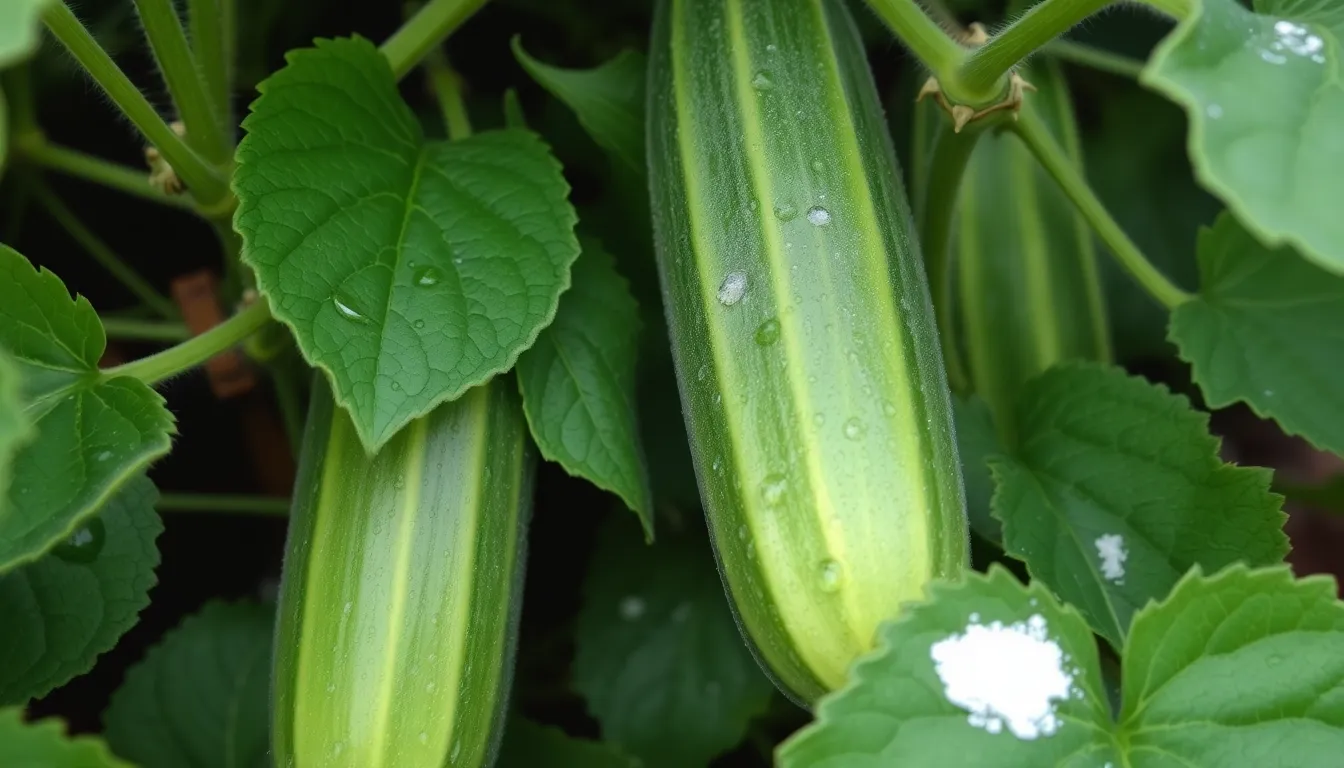
Powdery mildew presents as a white, powdery coating on the leaves and stems of cucumber plants. This fungal disease thrives in warm, dry conditions and can quickly spread if not addressed. Affected plants may show stunted growth and reduced fruit production as photosynthesis becomes hindered. To combat powdery mildew, gardeners should ensure proper air circulation around the plants. Applying fungicides at the first signs of infection can help mitigate its effects and protect healthy plants.
Downy Mildew
Downy mildew manifests with dark, angular spots on the upper sides of leaves, accompanied by a fuzzy white growth on the undersides. This disease thrives in cool, damp conditions, leading to leaf drop and reduced yield. Observing the symptoms early allows for more effective management. Keeping the foliage dry, enhancing air circulation, and applying fungicides can significantly reduce downy mildew risks. Additionally, rotating crops each season helps minimize the disease’s spread.
Fusarium Wilt
Fusarium wilt is caused by a soil-borne fungus that infects cucumber plants through their roots. Plants infected by this disease often show yellowing leaves, wilting, and eventual death. This fungus survives in the soil, making it challenging to eradicate once present. Crop rotation with non-susceptible species helps prevent this disease’s recurrence. Selecting resistant cucumber varieties also aids in managing fusarium wilt effectively. Maintaining soil health is essential for preventing and mitigating its impact.
Prevention and Management Strategies
Cucumber plant diseases pose significant challenges. Implementing effective prevention and management strategies can enhance plant health and yield.
Crop Rotation
Crop rotation reduces disease prevalence in cucumber plants. By alternating crop types, pathogens responsible for diseases like fusarium wilt significantly decline. A rotation schedule typically requires changing cucumber plots every two to three years. Changing the location disrupts the life cycle of diseases, limiting their ability to survive in the soil. Gardeners can also incorporate legumes in the rotation, as these improve soil health while subsequently benefiting cucumbers.
Resistant Varieties
Selecting resistant varieties stands as a primary strategy against cucumber diseases. Several cucumber cultivars exhibit resistance to issues like bacterial wilt and powdery mildew. Choosing seeds labeled with disease resistance helps prevent the onset of various diseases. Researching local recommendations for resistant strains ensures better adaptability to regional conditions. Combining these resistant varieties with overall good gardening practices enhances plant resilience.
Cultural Practices
Cultural practices play a crucial role in managing cucumber diseases. Ensuring proper spacing between plants enhances air circulation, reducing humidity that fosters fungal growth. Adjusting watering schedules to avoid excess moisture in the soil helps combat root rot. Regularly removing debris and fallen leaves creates an environment unsuitable for disease development. Additionally, incorporating organic matter into the soil improves drainage and overall health, further protecting against diseases.
Signs and Symptoms of Cucumber Plant Diseases
Cucumber plant diseases manifest through various signs and symptoms. Early identification is crucial for effective management.
Visual Indicators
Yellowing leaves often indicate nutrient deficiencies or disease, with root rot being a common culprit. White powder on foliage points to powdery mildew, which significantly impairs photosynthesis. Dark spots and a grayish appearance on leaves suggest downy mildew thriving in damp conditions. Wilting can signal bacterial wilt, leading to sudden plant collapse. Leaf mottling is characteristic of viral infections, like cucumber mosaic virus. Regular inspection helps detect these visual indicators early, allowing for timely intervention and improved plant health.
Impact on Yield
Diseased cucumber plants experience reduced yields, affecting gardeners’ harvests. Root rot and bacterial wilt can lead to entire crop loss if not managed promptly. Powdery mildew causes lower fruit quality and smaller sizes due to stunted growth. Downy mildew affects plant vigor, resulting in fewer cucumbers. Viral diseases disrupt overall plant function, leading to severe yield declines. Applying appropriate prevention and management strategies enhances productivity, ensuring a fruitful gardening season.
Conclusion
Cucumber plant diseases pose significant challenges for gardeners aiming for a bountiful harvest. Understanding the symptoms and causes of these diseases is crucial for effective management. By implementing preventive measures such as crop rotation and selecting resistant varieties, gardeners can enhance their plants’ resilience. Regular monitoring and maintaining proper cultural practices will also contribute to healthier cucumber plants. With the right approach, it’s possible to minimize the impact of diseases and enjoy a thriving cucumber crop throughout the growing season.


