
Simple Flower Garden Ideas: Transform Your Yard into a Blooming Paradise
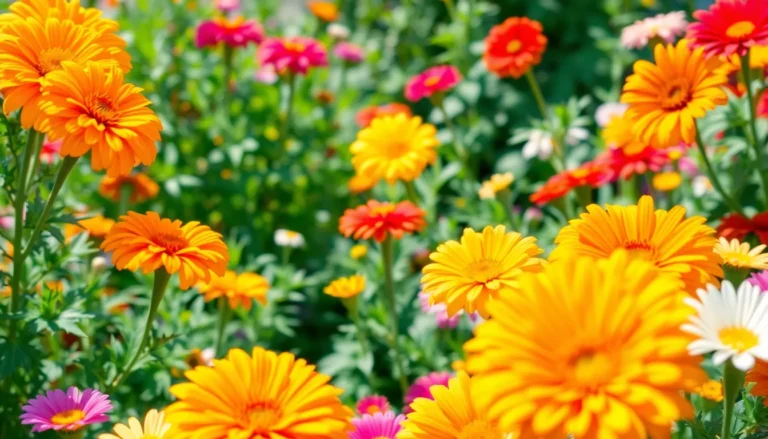
Imagine stepping into your backyard and being greeted by a vibrant explosion of colors and fragrances. A simple flower garden can transform any dull space into a blooming paradise. Whether you’ve got a green thumb or you’re just starting out, creating a stunning flower garden doesn’t have to be rocket science—or a full-time job.
Simple Flower Garden Ideas
Simple flower gardens offer numerous advantages for both novice and seasoned gardeners. Their ease of maintenance and visual appeal make them an excellent choice for enhancing outdoor spaces.
Low Maintenance Requirements
Low maintenance requirements characterize simple flower gardens. These gardens often use native flowers, which adapt well to local climates and require minimal care. Fewer pests and diseases affect these hardy plants, reducing the need for chemical treatments. Simple watering schedules suffice for maintaining healthy growth, especially with drought-resistant varieties. In addition, gardeners enjoy the benefit of spending less time on upkeep, allowing for more relaxation in the garden.
Enhanced Aesthetic Appeal
Enhanced aesthetic appeal stems from the vibrant colors and diverse shapes of flowers. Simple flower gardens create a visually pleasing focal point in any landscape. Arranging a variety of flowers ensures year-round blooming, providing continuous visual interest. Gardeners can express their creativity by mixing different flower types, resulting in unique and eye-catching displays. Such gardens attract beneficial insects, contributing to a thriving ecosystem while bringing joy to both gardeners and visitors.
Types of Simple Flower Garden Ideas
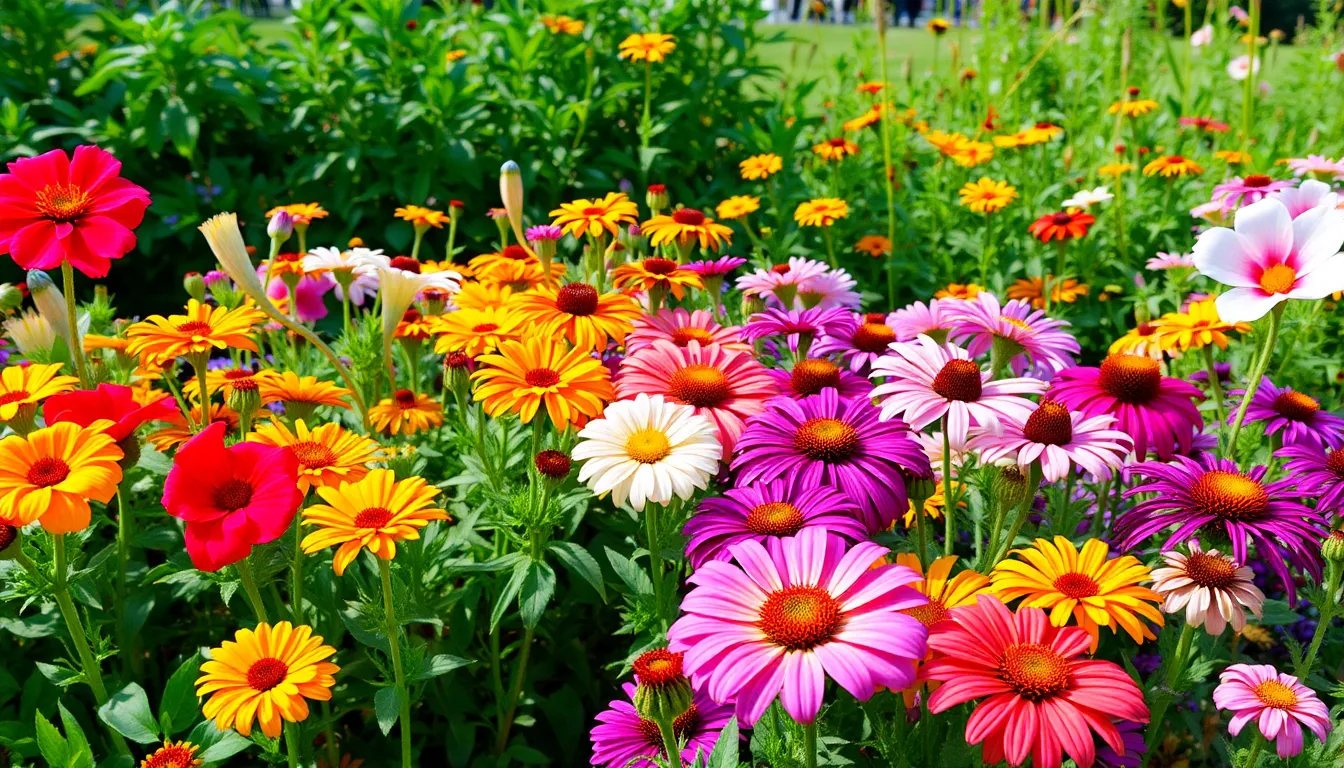
Numerous options exist for creating simple flower gardens. The following sections explore two popular types, each offering unique benefits.
Annual Flower Gardens
Annual flower gardens present vibrant blooms that last for one growing season. These gardens provide a variety of colors throughout the entire summer. Popular choices include petunias, marigolds, and zinnias. Planting a mix of these flowers creates an eye-catching display. Gardeners can easily switch annuals each year, allowing for fresh designs. Maintenance remains straightforward, as most annuals thrive in full sun and require regular watering. They also attract pollinators, enhancing the garden’s overall health.
Perennial Flower Gardens
Perennial flower gardens offer blooms that return year after year. Some favorites in this category are coneflowers, daylilies, and black-eyed Susans. Choosing perennials reduces the necessity for replanting each spring. This type of garden often focuses on seasonal interest, providing blossoms from spring to fall. A well-planned perennial garden supports local ecosystems by attracting beneficial insects. Its low maintenance requirement makes it ideal for busy gardeners, creating lasting beauty with minimal effort.
Planning Your Simple Flower Garden
Planning a flower garden requires careful consideration of various factors. Choosing the right location and selecting suitable flowers plays a pivotal role in the garden’s success.
Choosing the Right Location
Successful gardens thrive in specific locations. Identify areas that receive at least six hours of sunlight daily, as most flowers flourish in bright light. Proximity to water sources simplifies maintenance, reducing time spent on watering. Consider wind exposure as well; sheltered spots protect delicate blooms from harsh conditions. Drainage is crucial too. Avoid areas that collect standing water, as this can lead to root rot and plant decline. Soil quality impacts growth—testing soil beforehand ensures it supports healthy flower development.
Selecting Suitable Flowers
Selecting the right flowers enhances the vibrancy of the garden. Focus on native species that adapt to local climates and require less maintenance. Mix annuals and perennials for continuous color; annuals such as petunias and zinnias offer quick blooms while perennials like coneflowers and black-eyed Susans provide long-lasting beauty. Consider bloom times to ensure overlapping seasons of color. Prioritize disease-resistant varieties to minimize pest problems and reduce maintenance needs. Include plants that attract pollinators, as they support local ecosystems and promote healthy gardening.
Designing Your Simple Flower Garden
Designing a simple flower garden involves thoughtful layout and spacing, as well as incorporating pathways and borders for accessibility and aesthetic appeal.
Layout and Spacing Considerations
Space flowers according to their mature size to prevent overcrowding. Grouping plants in clusters creates visual impact and ease of maintenance. Use triangular or staggered formations for added depth. Allow sufficient spacing between clusters to ensure air circulation and healthy growth. Incorporate diverse heights within the garden to enhance visual interest. Taller flowers should be placed at the back or center if the garden is viewed from all sides. A strategic layout maximizes sunlight exposure and helps prevent disease, contributing to a thriving environment.
Incorporating Pathways and Borders
Pathways serve practical and decorative purposes in flower gardens. Use gravel, stepping stones, or mulch to create distinct walking paths that guide visitors through the space. Borders made of bricks, wood, or metal add structure while helping to define the garden’s edges. Landscaping with low-growing plants along borders enhances visual appeal and helps prevent soil erosion. Pathways and borders increase accessibility, allowing for easy maintenance and showcasing the flowers beautifully. Incorporating these elements results in a cohesive, well-designed flower garden.
Conclusion
Creating a simple flower garden can transform any outdoor space into a vibrant oasis. With the right planning and design, anyone can cultivate a stunning garden that requires minimal maintenance. By selecting native flowers and mixing annuals with perennials, gardeners can enjoy continuous blooms and support local ecosystems. Thoughtful layout and spacing not only enhance the garden’s beauty but also ensure healthy plant growth. Embracing these straightforward ideas allows for a rewarding gardening experience that brings joy and color to life. Whether it’s a small patch or a sprawling garden, simplicity can lead to extraordinary results.