Popular 5 Organic Gardening Practices That Improve Soil Health
Healthy soil is the foundation of every thriving garden. Whether you’re growing vegetables, flowers, or ornamental plants, the quality of your soil directly affects plant growth, water retention, nutrient availability, and long-term sustainability.
As more gardeners embrace eco-friendly landscaping methods, organic gardening practices have become essential for building resilient and productive garden spaces. Rather than relying on synthetic fertilizers and chemical treatments, organic methods focus on working with nature to improve soil structure and biological activity.
Here are five of the most effective organic gardening practices that can significantly improve soil health and support a more sustainable garden.
1. Apply Organic Mulch to Protect and Enrich the Soil
Mulching is one of the simplest yet most impactful ways to improve soil health. Organic mulches such as shredded bark, wood chips, compost, leaves, and straw help regulate soil temperature, suppress weeds, and retain moisture.
As mulch gradually decomposes, it adds organic matter back into the soil, improving texture and supporting beneficial microorganisms. This process creates healthier growing conditions while reducing the need for frequent watering.
For gardeners seeking quality mulch products and reliable delivery services, companies such as Mulchmound, The Mulch Center, Kurtz Bros., and Big Earth Landscape Supply offer a variety of organic mulch options suitable for residential and commercial landscapes. Gardeners in the Midwest often use services like Minneapolis Minnesota Mulch Delivery to conveniently source high-quality mulch materials for seasonal garden improvement projects.
Why Mulching Works
- Reduces soil erosion
- Improves moisture retention
- Encourages beneficial microbial activity
- Adds organic matter over time
- Minimizes weed competition
2. Incorporate Compost Regularly
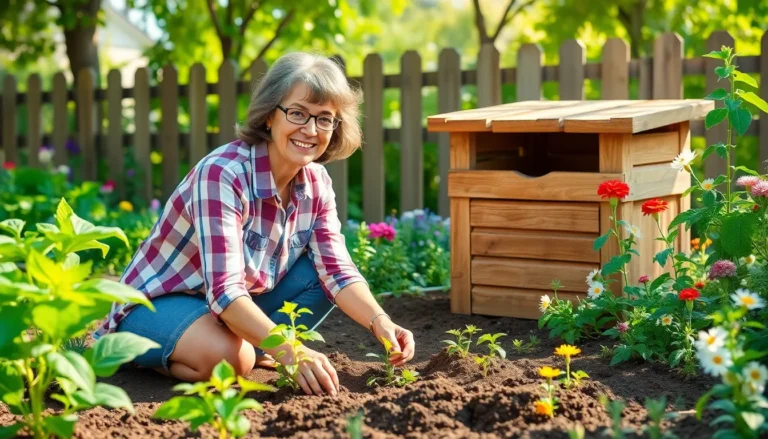
Compost is often referred to as “black gold” by experienced gardeners, and for good reason. It contains a balanced mix of nutrients and organic matter that improves both sandy and clay-heavy soils.
Adding compost annually helps create a rich growing environment where roots can expand easily and soil organisms can thrive. Compost also improves the soil’s ability to hold water while enhancing nutrient availability for plants.
Coolest Sources of Compost Materials
Consider composting:
- Kitchen fruit and vegetable scraps
- Coffee grounds
- Grass clippings
- Dry leaves
- Plant trimmings
A well-maintained compost pile can produce nutrient-rich material that continuously replenishes garden soil without the need for synthetic fertilizers.
3. Grow Cover Crops During Off-Seasons
Cover crops, sometimes called “green manure,” are plants grown specifically to protect and improve soil between planting seasons. Popular options include clover, rye, buckwheat, and vetch.
These plants prevent erosion, suppress weeds, and naturally add nutrients to the soil. Leguminous cover crops are particularly valuable because they fix atmospheric nitrogen, making it available for future crops.
Benefits of Cover Crops
- Increase soil organic matter
- Improve soil structure
- Reduce nutrient loss
- Support beneficial insects
- Minimize compaction
For vegetable gardeners, cover crops provide an effective way to keep garden beds productive even when food crops are not actively growing.
4. Avoid Excessive Soil Disturbance
Traditional gardening often involves frequent digging and tilling. While this may seem beneficial initially, excessive soil disturbance can disrupt the delicate ecosystem beneath the surface.
Healthy soil contains networks of fungi, bacteria, earthworms, and microorganisms that contribute to nutrient cycling and plant health. Over-tilling can damage these networks and accelerate the breakdown of organic matter.
Low-Disturbance Gardening Tips
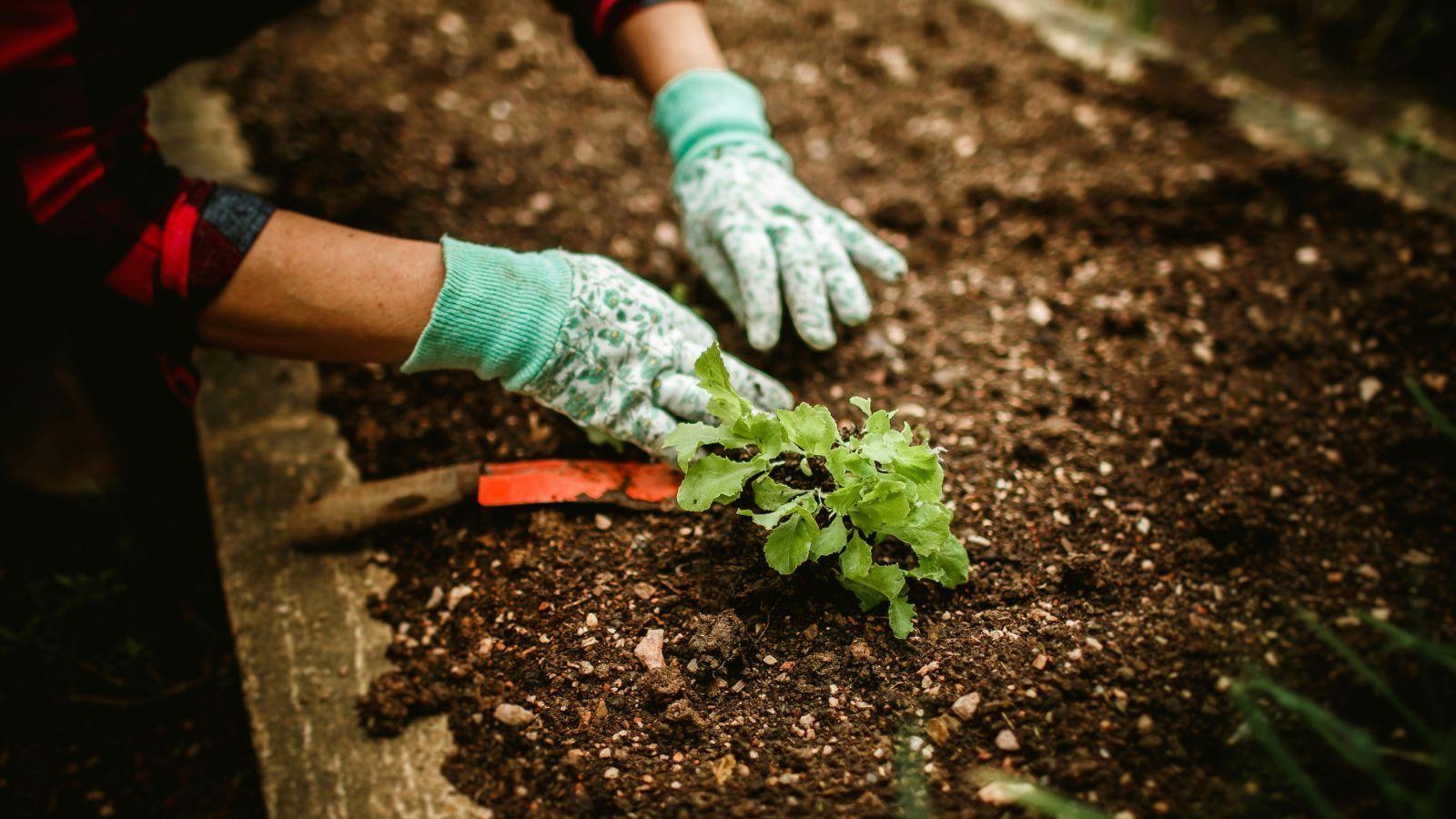
- Use hand tools instead of heavy tillers when possible
- Add compost on top of soil rather than digging deeply
- Maintain permanent planting beds
- Leave plant roots in place after harvest when appropriate
Many successful organic gardeners adopt no-till or minimal-till approaches to preserve soil structure and biological activity.
5. Encourage Biodiversity Above and Below Ground
A diverse garden supports a diverse soil ecosystem. Growing a variety of plants creates different root structures, nutrient demands, and microbial relationships that contribute to healthier soil over time.
Companion planting, crop rotation, and incorporating native species can all improve biodiversity while reducing pest pressure naturally.
Practical Ways to Increase Biodiversity
- Rotate vegetable crops annually
- Plant pollinator-friendly flowers
- Mix annuals and perennials
- Include native plants where possible
- Maintain habitat for beneficial insects
The greater the diversity within your garden, the more resilient and self-sustaining the soil ecosystem becomes.
Conclusion
Healthy soil doesn’t happen overnight, but consistent organic gardening practices can produce remarkable results over time. Applying organic mulch, incorporating compost, planting cover crops, minimizing soil disturbance, and encouraging biodiversity all contribute to stronger soil structure and improved fertility.
These methods not only support healthier plants but also create gardens that require fewer external inputs and remain productive year after year. By focusing on soil health first, gardeners can build a thriving landscape that benefits both their plants and the environment.